Dr. Karthik Raghuram is a skilled Interventional Cardiologist providing advanced, compassionate, and evidence-based heart care focused on accurate diagnosis and effective treatment.

Consultant - Interventional Cardiologist
(Gold Medalist & Top-Ranked NEET PG Cardiologist)
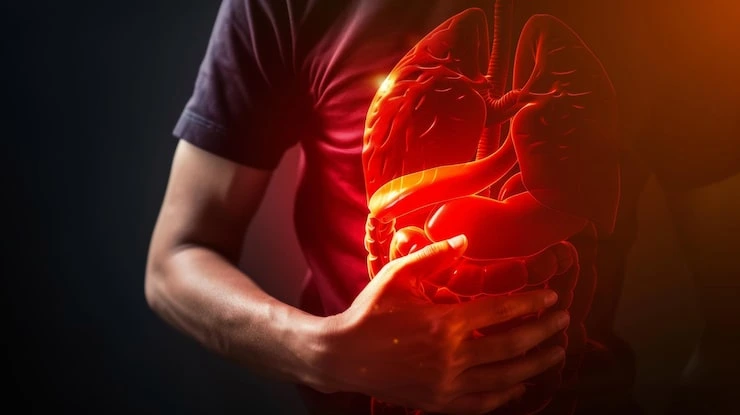
Angina is a type of chest pain that occurs when the heart muscle does not receive enough oxygen-rich blood. It is often a sign of underlying coronary artery disease, where the arteries become narrowed or blocked due to cholesterol buildup. While angina itself is not a heart attack, it is a serious warning sign that requires medical attention. Under the expert care of Dr. Karthik Raghuram, patients receive accurate diagnosis, timely treatment, and personalised guidance to prevent complications and protect long-term heart health.
Angina indicates that the heart is under stress due to reduced blood flow. Without proper treatment, it can progress to:
Heart attack
Heart failure
Dangerous rhythm disturbances
Sudden cardiac emergencies
Early evaluation helps identify blockages and ensures proper management before the condition becomes life-threatening.
Occurs during physical activity or stress
Improves with rest or medication
Predictable pattern
Occurs even at rest
Sudden and severe
Medical emergency (high risk of heart attack)
Caused by coronary artery spasm
Often occurs at night or early morning
Understanding the type helps guide the right treatment.
Angina symptoms may include:
Chest pain or tightness
Pressure or heaviness in the chest
Pain radiating to the arms, shoulder, neck, jaw, or back
Shortness of breath
Sweating or nausea
Light-headedness or fatigue
Symptoms often last a few minutes and worsen with exertion.
The most common cause is coronary artery disease (CAD), where plaque buildup narrows the arteries. Other contributing factors include:
High cholesterol
High blood pressure
Diabetes
Smoking
Obesity
Lack of physical activity
Stress
Family history of heart disease
Identifying the cause helps create a targeted treatment plan.
Dr. Karthik Raghuram uses a systematic diagnostic approach to evaluate angina:
Detailed evaluation of chest pain pattern, risk factors, and medical history.
ECG: Detects electrical abnormalities
2D Echocardiogram: Assesses heart function
Treadmill Test (TMT): Identifies blockages during exertion
Blood Tests: Check cardiac markers, cholesterol, and sugar levels
CT Coronary Angiography: Non-invasive imaging of heart arteries
Coronary Angiography: Gold standard test to detect exact blockages
These tests help determine the severity and guide treatment.
Angina treatment focuses on restoring proper blood flow to the heart and preventing future complications.
Nitrates to relieve chest pain
Antiplatelet drugs (Aspirin, Clopidogrel)
Cholesterol-lowering medications
Beta-blockers and calcium channel blockers
Diabetes and BP management
Heart-healthy diet
Regular exercise
Weight management
Quitting smoking and alcohol reduction
Stress control
If tests show significant blockages:
Angioplasty & stenting to open narrowed arteries
Coronary artery bypass surgery (CABG) in severe cases
Dr. Karthik ensures each patient receives the safest and most effective treatment.
Without proper treatment, angina can lead to:
Heart attack
Heart failure
Life-threatening arrhythmias
Reduced heart function
Sudden cardiac death
Prompt diagnosis greatly reduces these risks.
Seek emergency care if you experience:
Chest pain lasting more than 10 minutes
Pain spreading to the jaw, arm, or back
Severe shortness of breath
Sudden dizziness or fainting
Cold sweats, nausea, or extreme anxiety
These could indicate a heart attack.
Do not ignore chest discomfort. Schedule your consultation with Dr. Karthik Raghuram to receive expert diagnosis, advanced treatment, and guidance to protect your heart health.

Dr. Karthik Raghuram is a skilled Interventional Cardiologist providing advanced, compassionate, and evidence-based heart care focused on accurate diagnosis and effective treatment.
Copyright @2025 Dr. Karthik Raghuram. All rights reserved. Designed by AppAdd India Pvt Ltd.