Dr. Karthik Raghuram is a skilled Interventional Cardiologist providing advanced, compassionate, and evidence-based heart care focused on accurate diagnosis and effective treatment.

Consultant - Interventional Cardiologist
(Gold Medalist & Top-Ranked NEET PG Cardiologist)
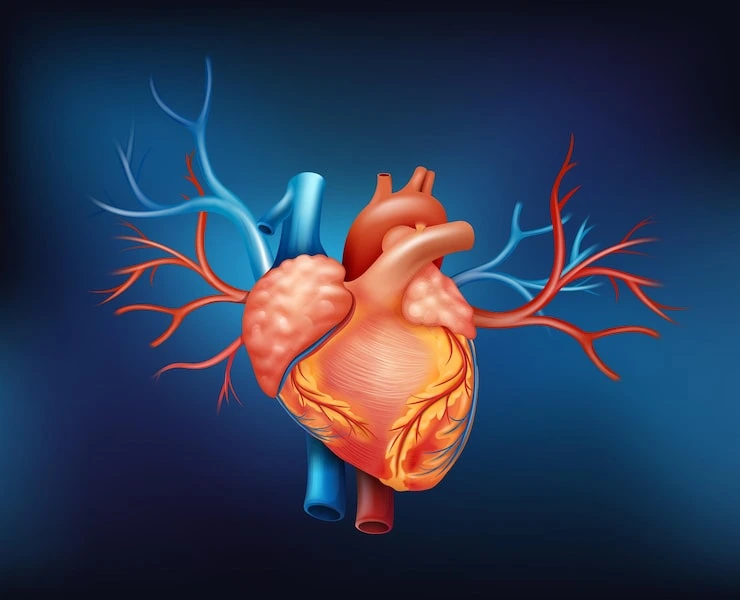
Heart valve disease occurs when one or more of the heart’s valves do not function properly, affecting normal blood flow through the heart. The valves may become narrowed (stenosis), leaky (regurgitation), or unable to close/open fully (prolapse or atresia). Over time, this can weaken the heart and lead to serious complications. Under the expert care of Dr. Karthik Raghuram, patients receive precise diagnosis, personalised treatment, and long-term monitoring to protect heart function and overall health.
Healthy valves ensure that blood flows smoothly in the right direction. When a valve is damaged:
The heart must work harder
Blood flow becomes restricted or backward
Pressure builds up in chambers and lungs
Heart failure or arrhythmias may develop
Early diagnosis prevents complications and helps preserve heart strength.
Narrowing (aortic stenosis)
Leakage (aortic regurgitation)
Leakage (mitral regurgitation)
Narrowing (mitral stenosis)
Mitral valve prolapse
Leakage or narrowing affecting right-side heart function
Typically congenital; affects blood flow to the lungs
Understanding which valve is affected guides the appropriate treatment.
Symptoms may appear slowly or suddenly, depending on the severity. These include:
Shortness of breath
Fatigue or reduced activity tolerance
Chest pain or discomfort
Heart palpitations
Swelling in feet or ankles
Dizziness or fainting spells
Irregular heartbeat
Symptoms worsen as the valve becomes more impaired.
Heart valve disease can occur due to:
Age-related degeneration
Rheumatic fever
Congenital (birth) abnormalities
Heart infections (endocarditis)
High blood pressure
Heart attack damage
Connective tissue disorders
Identifying the cause helps guide long-term treatment.
Dr. Karthik Raghuram uses advanced diagnostic tools to assess valve structure and function:
Listening for murmurs and evaluating symptoms and risk factors.
2D Echocardiogram: Primary test to visualize valve movement and blood flow
Doppler Echo: Measures severity of stenosis or regurgitation
ECG: Identifies rhythm abnormalities
Chest X-ray: Detects heart enlargement or lung congestion
Cardiac MRI: For detailed heart structure imaging (if required)
CT Coronary Angiography or Coronary Angiography: Evaluates arteries and valve involvement
These tests help determine the severity and guide the right treatment.
Treatment depends on the type, severity, and symptoms of valve dysfunction. Dr. Karthik provides a personalised plan that may include:
Drugs to reduce symptoms
Medications for blood pressure and heart rhythm control
Diuretics for fluid buildup
Blood thinners for certain valve conditions
Antibiotics in cases of infection risk
For specific valve diseases:
Balloon valvotomy for narrowed valves
Minimally invasive valve repair procedures
If the valve is severely damaged:
Valve repair surgery
Valve replacement (mechanical or biological)
The choice depends on age, severity, risk factors, and lifestyle needs.
Regular monitoring ensures early detection of changes and timely treatment adjustments.
If not properly managed, valve disease can lead to:
Heart failure
Stroke
Severe arrhythmias
Pulmonary hypertension
Infective endocarditis
Sudden cardiac events
Early treatment significantly reduces these risks.
Seek urgent help if you experience:
Sudden breathlessness
Severe chest pain
Rapid or irregular heartbeat
Fainting spells
Swelling or sudden weight gain
These symptoms may indicate valve deterioration or a cardiac emergency.
Heart valve disease is manageable with timely and expert care. Schedule your evaluation with Dr. Karthik Raghuram to receive accurate diagnosis, advanced treatment options, and compassionate long-term support for a healthier future.

Dr. Karthik Raghuram is a skilled Interventional Cardiologist providing advanced, compassionate, and evidence-based heart care focused on accurate diagnosis and effective treatment.
Copyright @2025 Dr. Karthik Raghuram. All rights reserved. Designed by AppAdd India Pvt Ltd.