Dr. Karthik Raghuram is a skilled Interventional Cardiologist providing advanced, compassionate, and evidence-based heart care focused on accurate diagnosis and effective treatment.

Consultant - Interventional Cardiologist
(Gold Medalist & Top-Ranked NEET PG Cardiologist)
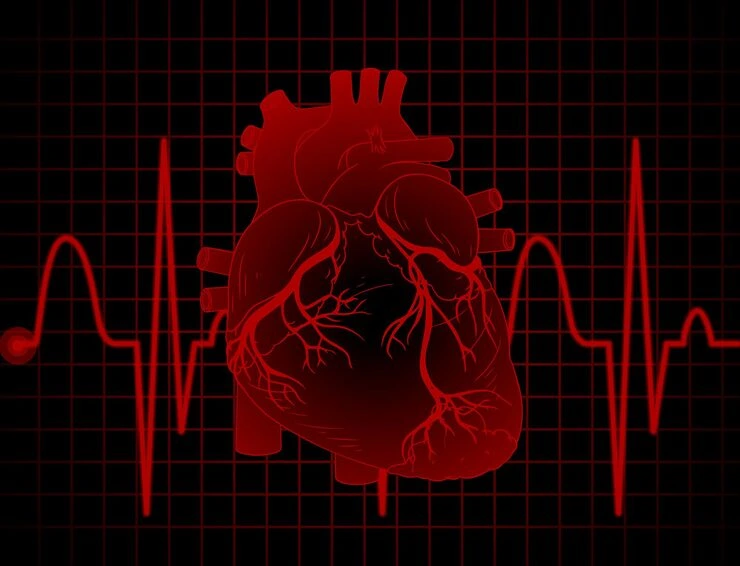
An irregular heart beat, medically known as arrhythmia, occurs when the heart beats too fast, too slow, or in an uneven rhythm. While some arrhythmias are harmless, others can be serious and may increase the risk of stroke, heart failure, or sudden cardiac arrest. Under the expert care of Dr. Karthik Raghuram, patients receive precise evaluation, advanced diagnostic testing, and personalised treatment to restore a healthy heart rhythm and prevent long-term complications.
Heartbeats are controlled by electrical signals. When these signals are disrupted due to various causes, the heartbeat becomes irregular. Factors contributing to arrhythmia include:
Coronary artery disease
High blood pressure
Heart valve disorders
Diabetes
Thyroid problems
Electrolyte imbalances
Stress or anxiety
Excess caffeine, alcohol, or smoking
Previous heart attack or heart damage
Identifying the underlying cause is crucial for effective treatment.
Irregular, rapid heartbeat; increases stroke risk.
Similar to AFib but more organized rhythm.
Serious arrhythmia that may lead to cardiac arrest.
Extra beats that may feel like skipped or fluttering beats.
Understanding the type helps guide appropriate treatment.
Symptoms vary depending on the severity and type of arrhythmia. You may experience:
Palpitations (fluttering or racing heart)
Slow heart rate
Chest discomfort
Dizziness or light-headedness
Shortness of breath
Fatigue
Fainting spells
Some arrhythmias cause no symptoms and are detected only during evaluation.
Dr. Karthik Raghuram uses advanced diagnostic tools to identify abnormal heart rhythms:
Assessment of symptoms, pulse, and medical history.
ECG (Electrocardiogram): First-line test to detect rhythm abnormalities
Holter Monitoring (24–48 hours): Records heart rhythm continuously
Event Monitors: For arrhythmias that occur occasionally
2D Echocardiogram: Evaluates structural heart issues
Blood Tests: Check thyroid, electrolytes, and cardiac markers
Treadmill Test (TMT): For exercise-induced arrhythmias
Electrophysiology Study (EPS): Detailed mapping of electrical pathways (if needed)
These tests help determine the exact type and severity of arrhythmia.
Treatment aims to control the heart rhythm, prevent complications, and improve quality of life.
Anti-arrhythmic medications
Beta-blockers or calcium channel blockers
Blood thinners (especially for AFib) to reduce stroke risk
Reducing caffeine, alcohol, and smoking
Managing stress
Regular exercise
Balanced diet and sleep hygiene
Depending on the arrhythmia:
Radiofrequency Ablation: Eliminates abnormal electrical pathways
Pacemaker implantation: For slow heart rhythms
ICD (Implantable Cardioverter Defibrillator): For life-threatening arrhythmias
CRT Devices: For arrhythmias with heart failure
Cardioversion: Electrical or medication-based rhythm correction
Dr. Karthik chooses the safest and most effective option tailored to the patient’s condition.
If not treated properly, arrhythmias may lead to:
Stroke
Heart failure
Dangerous low or high heart rates
Sudden cardiac arrest
Early diagnosis and timely treatment can prevent these risks.
Seek urgent care if you experience:
Rapid, pounding, or irregular heartbeat
Severe chest pain
Sudden dizziness or fainting
Shortness of breath
Confusion or extreme fatigue
These symptoms may indicate a medical emergency.
Irregular heart beats require expert attention. Schedule your consultation with Dr. Karthik Raghuram to receive accurate diagnosis, personalised treatment, and long-term rhythm management for a healthier heart.

Dr. Karthik Raghuram is a skilled Interventional Cardiologist providing advanced, compassionate, and evidence-based heart care focused on accurate diagnosis and effective treatment.
Copyright @2025 Dr. Karthik Raghuram. All rights reserved. Designed by AppAdd India Pvt Ltd.