Dr. Karthik Raghuram is a skilled Interventional Cardiologist providing advanced, compassionate, and evidence-based heart care focused on accurate diagnosis and effective treatment.
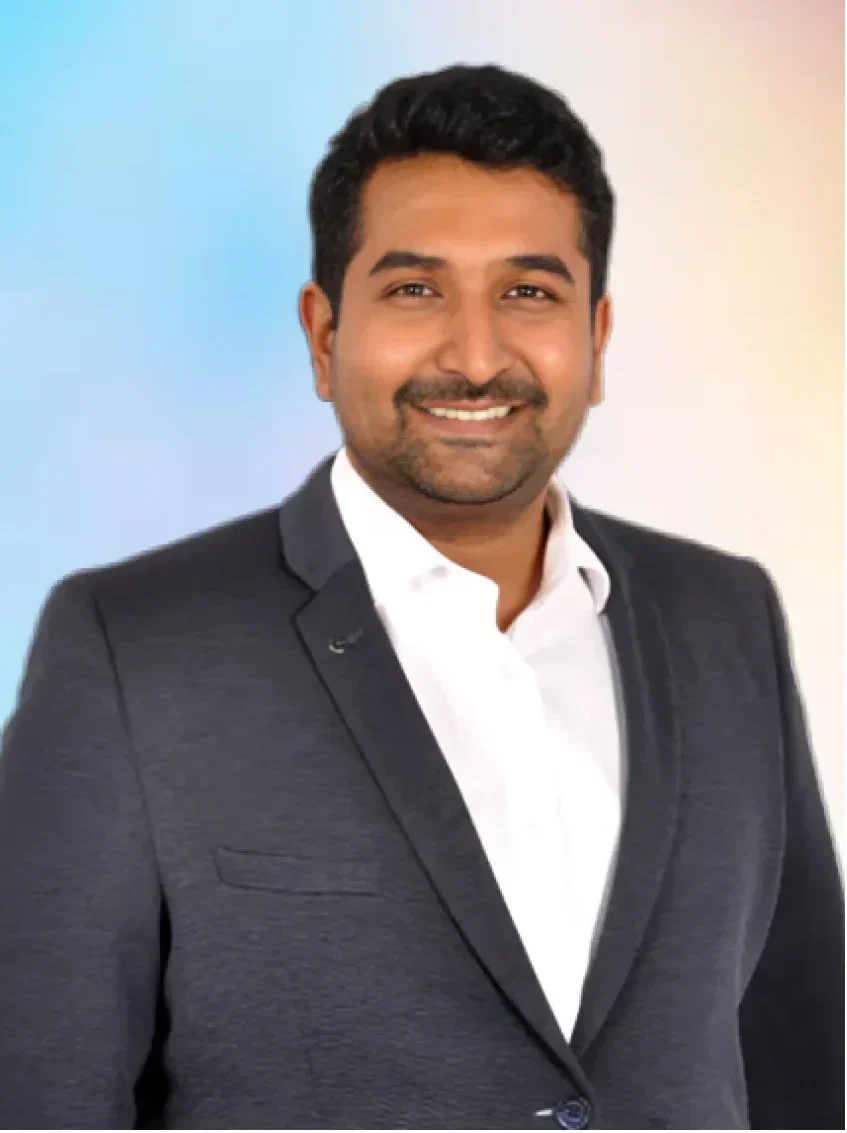
Consultant - Interventional Cardiologist
(Gold Medalist & Top-Ranked NEET PG Cardiologist)
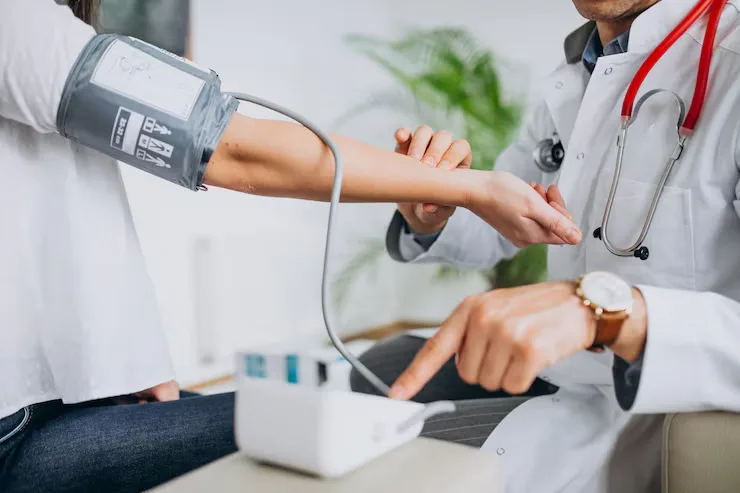
Holter Monitoring is a continuous, 24–48 hour ECG recording that tracks the heart’s electrical activity throughout daily activities. It is one of the most accurate tools for detecting intermittent or hidden heart rhythm problems that may not appear during a brief clinic ECG. Under the expert supervision of Dr. Karthik Raghuram, Holter monitoring provides a detailed evaluation of heart rhythms, helping diagnose arrhythmias and guide appropriate treatment.
Many heart rhythm abnormalities occur unpredictably — during sleep, exercise, stress, or rest — and may not show up during a short ECG done in the clinic. A Holter monitor helps:
Detect irregular heartbeats (arrhythmias)
Identify causes of palpitations or dizziness
Monitor heart rate changes during daily activities
Evaluate unexplained fainting or fatigue
Assess treatment response for arrhythmia patients
Detect silent rhythm disturbances in high-risk individuals
Holter monitoring offers a real-time picture of how your heart behaves over an extended period.
You may need Holter monitoring if you experience:
Palpitations or fluttering sensations
Irregular or rapid heartbeat
Unexplained dizziness or fainting
Sudden shortness of breath
Fatigue or weakness
Chest discomfort without clear cause
It is also essential for patients with:
Known arrhythmias
Pacemakers or implanted devices
Previous heart attack
Heart failure
Thyroid disorders
Unexplained anxiety episodes
Holter monitoring is a key test in diagnosing and managing rhythm problems.
The test is safe, painless, and simple:
Small electrodes are attached to the chest
A lightweight, portable device records heart activity
You continue normal daily routines
Patients may be asked to note symptoms and activities in a diary
After 24–48 hours, the device is returned for analysis
Dr. Karthik reviews the entire recording to accurately diagnose rhythm abnormalities.
Holter monitoring helps identify:
Atrial fibrillation (AFib)
Premature beats (PACs/PVCs)
Tachycardia or bradycardia
Heart block or conduction delays
ST segment changes
Pause episodes in heart rhythm
Rate control effectiveness in arrhythmia treatment
It captures abnormalities missed by regular ECGs.
Patients benefit from:
Continuous rhythm tracking for accurate diagnosis
Comfortable and portable device
Expert analysis by an interventional cardiologist
Early detection of risky arrhythmias
Guidance for medication adjustments
Identification of triggers and activity-related changes
Holter data allows for highly personalised treatment planning.
Seek urgent evaluation if you experience:
Sudden chest pain
Severe breathlessness
Fainting or near-fainting episodes
Rapid or irregular heartbeat that lasts several minutes
These could indicate a serious heart rhythm issue.
Holter monitoring provides powerful insights into your heart’s rhythm over an entire day. Schedule your Holter Monitoring test with Dr. Karthik Raghuram for precise diagnosis, expert interpretation, and advanced rhythm management.

Dr. Karthik Raghuram is a skilled Interventional Cardiologist providing advanced, compassionate, and evidence-based heart care focused on accurate diagnosis and effective treatment.
Copyright @2025 Dr. Karthik Raghuram. All rights reserved. Designed by AppAdd India Pvt Ltd.